Clinic and business
Leasing a laser for your clinic — how to finance a device
A tattoo and permanent make-up removal laser is rarely bought for cash. We explain how leasing a clinic device works, what to prepare before talking to an adviser and how to work out whether the investment makes sense.
By Gangsta Lasers4 min read
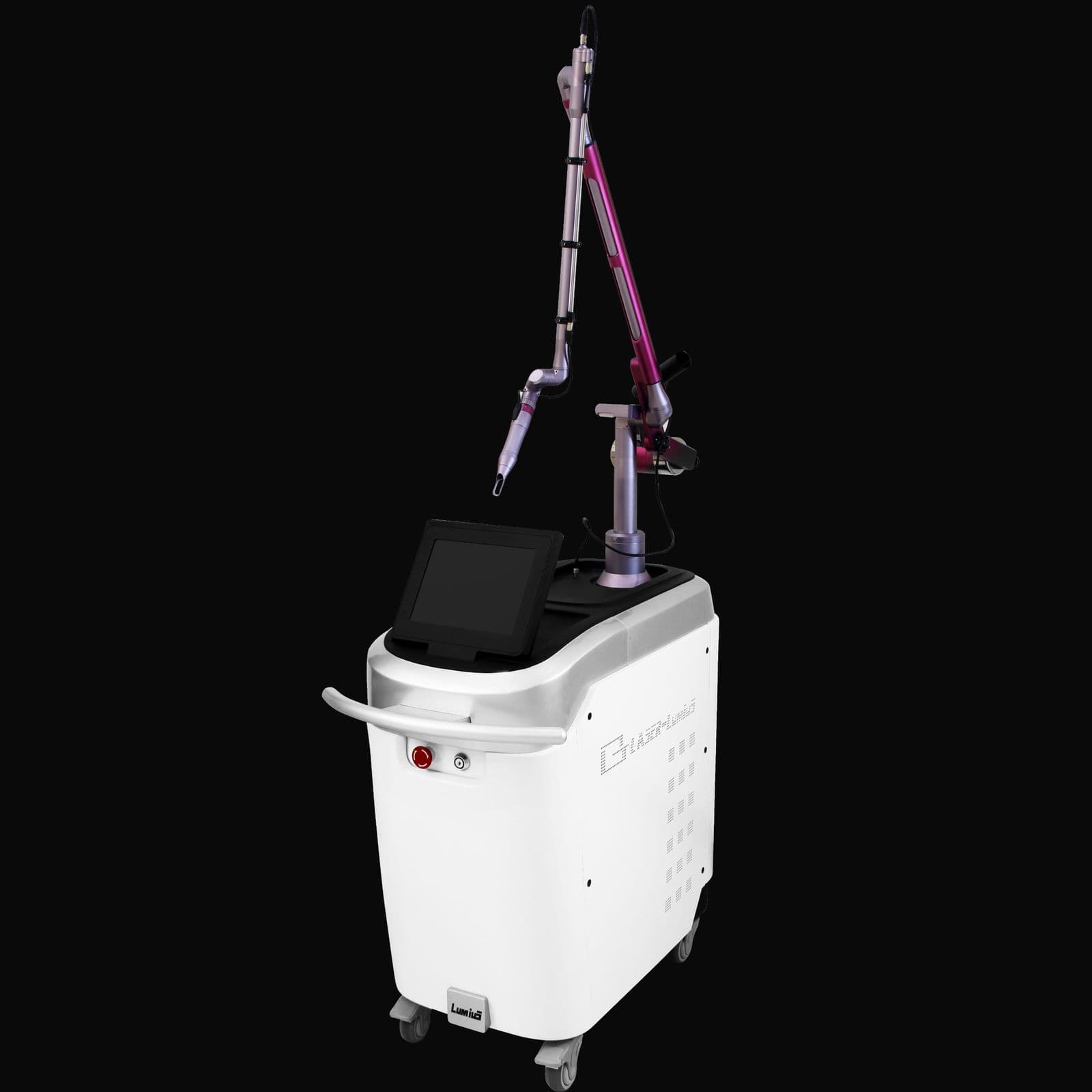
A professional laser is an investment that, for many clinics, is the biggest outlay since the business opened. Rather than tying up funds in a single purchase, owners of beauty salons, tattoo studios and aesthetic medicine clinics often finance the device through a lease. In this article we describe how that works in practice and what to watch out for before you sign a contract.
A laser only starts earning its keep once you perform treatments on it. Financing lets you spread the cost over time and set it against the income the device generates, instead of paying everything up front. It also leaves a reserve for the things that come with launching a new service: marketing, preparing the treatment room, materials and the time it takes to build a client base.
Operating lease vs finance lease — the basic difference
Put simply, in an operating lease the leasing company owns the device for the term of the contract and you use it in return for instalments; at the end of the contract you can usually buy the equipment out. In a finance lease the device goes onto your books as your asset from the start, and the instalments work more like repaying a loan. The two options differ in how they are accounted for and in their tax consequences.
Which option is more favourable depends on how your business is taxed, its results and your plans. That is a question for your accountant — before you sign the contract, not after.
What to prepare before talking to an adviser
- Company details: tax identification number (NIP), legal form and the date the business started.
- A quote for a specific device from the supplier — with the net price and what it includes.
- The financial documents the institution asks for; their scope depends on how long the company has existed and on the value of the device.
- Your own assumptions: how much you can put in as an initial payment, over what period you want to spread the financing and what monthly instalment is safe for you.
Requirements differ between banks and leasing companies. A young business may have different options from a clinic that has been trading for years, so it is worth talking to someone who knows what several institutions offer.
The leasing adviser’s role
A leasing adviser compares offers from different banks and financial institutions, helps put the documents together and explains the differences between the proposals. For a clinic this means saving time and being able to set several offers side by side, instead of accepting the first one that comes along. Gangsta Lasers works with an adviser who has supported our clients in financing device purchases for several years and specialises in leasing for the beauty and aesthetic medicine industry. We will pass on her contact details when we talk about the device.
How to work out whether it pays off
A lease instalment is a fixed cost that has to be covered regardless of whether the calendar is full. That is why the calculation is best done on cautious assumptions:
- Calculate the cost of one session: time including the consultation and paperwork, materials, servicing and follow-up visits.
- Estimate how many sessions a month you will realistically perform in the first months, not at full capacity.
- Remember that pigment removal is a series of treatments spread over time — the income from one client is spread over many months.
- Check which additional treatments you can perform with the same device — pigmentation removal or carbon peels, for example — and whether you have clients for them.
If, on cautious assumptions, the income covers the instalment and the costs with a margin, financing makes sense. If not, it is better to consider a cheaper device to start with or a longer contract period than to risk the clinic’s cash flow.
What to watch out for in the contract
- The total cost of financing, not just the size of the instalment — compare offers on the same assumptions.
- The terms for buying out the device at the end of the contract.
- Mandatory insurance of the device and its cost.
- Additional fees and the terms for ending the contract early.
- What happens to the contract when the device needs a warranty repair.
A leasing adviser will help you lay these points out side by side for several offers, and your accountant will assess how they affect your company’s accounts.
What to ask the device supplier
- Is training included in the price and how long does it last?
- What is the warranty and can it be extended?
- Where is the device serviced and how long does a repair take?
- Can the device be tested before buying?
Leasing spreads the cost, but it does not change the fact that you are buying a tool you will work with for years. A device that does not suit your pigments or has no service support will cost you for the whole term of the contract. If you would like to talk about choosing a laser and financing it, give us a call.
Frequently asked questions
Can a tattoo removal laser be leased?
Yes, professional clinic devices are often financed through leasing. The terms depend on the financial institution, how long your company has existed, its situation and the value of the device.
Operating lease or finance lease — which should I choose?
It depends on how your business is taxed, its results and your plans. The differences mainly concern who owns the device during the contract and how it is recorded in the books. It is worth consulting your accountant before deciding.
Can a new business get a laser on lease?
It is often possible, although the requirements may differ from those for companies that have been trading longer. A leasing adviser who knows what several institutions offer will help you check the options available.
Does Gangsta Lasers help with financing devices?
Yes. We work with a leasing adviser who compares offers from several banks and financial institutions and specialises in the beauty and aesthetic medicine industry. We will pass on her contact details when we talk about the device.