Pigmentation · Laser technology
Nd:YAG laser carbon peel — what the treatment involves
A carbon peel is a treatment many clinics perform on the same Nd:YAG laser they use to remove pigment. We explain the mechanism, the procedure, client eligibility and how to add it to your treatment menu.
By Gangsta Lasers4 min read
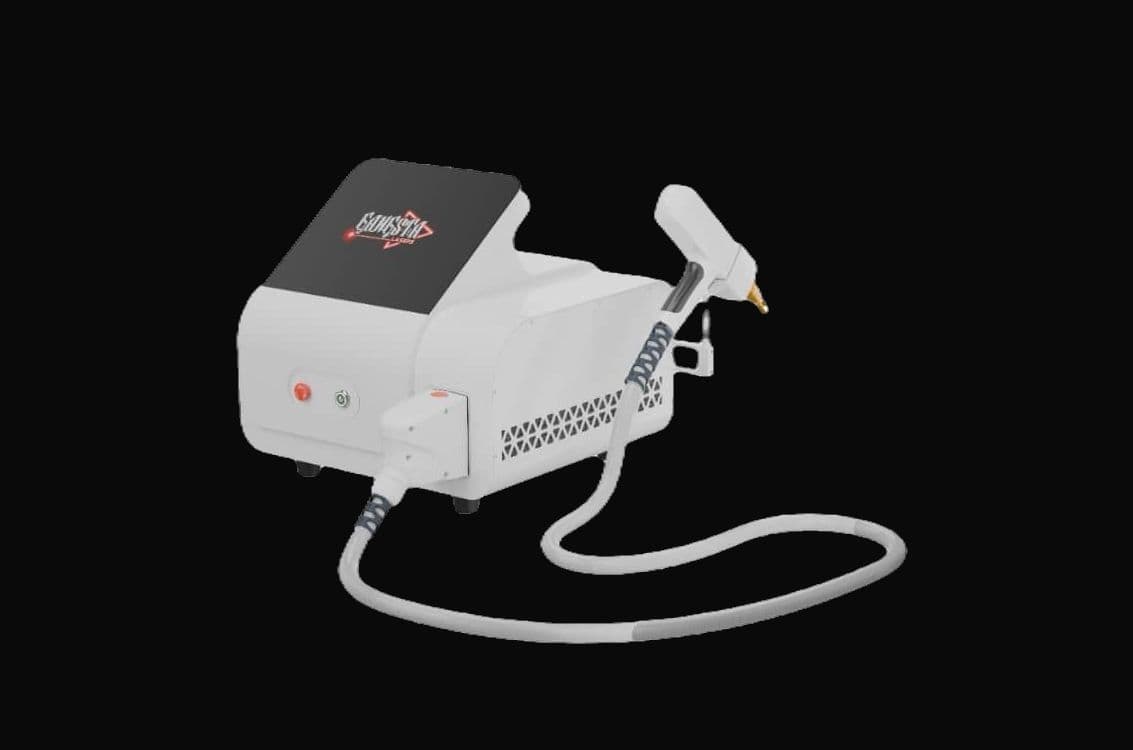
A carbon peel, also called a laser carbon peel, is a treatment performed with an Nd:YAG laser and a carbon paste. It is popular in beauty salons and aesthetic medicine clinics, and for many owners of pigment removal lasers it is a natural addition to their services: it is performed on the same device.
How it works
In the treatment, laser light is used to remove a colloidal carbon paste applied to the skin of the face, neck or décolleté. The carbon particles settle into the skin’s pores and uneven texture and then absorb the light energy of the Nd:YAG laser. That energy vaporises the paste together with the impurities bound to it.
Here the carbon acts as the chromophore: it, rather than the skin itself, is the beam’s main target. The accompanying heat acts on the superficial layers of the skin. The effects described in material on this treatment include cleansing and tightening of the pores, a more even skin tone, stimulation of collagen production, reduced inflammation and more stable sebum production. How pronounced they are varies from person to person and depends on the condition of the skin, the parameters and the number of treatments.
The treatment step by step
- Consultation and eligibility: skin assessment, questions about contraindications, medications and previous treatments, and a discussion of expectations.
- Make-up removal and thorough cleansing of the skin.
- Applying a thin layer of carbon paste and waiting for it to dry, following the manufacturer’s instructions.
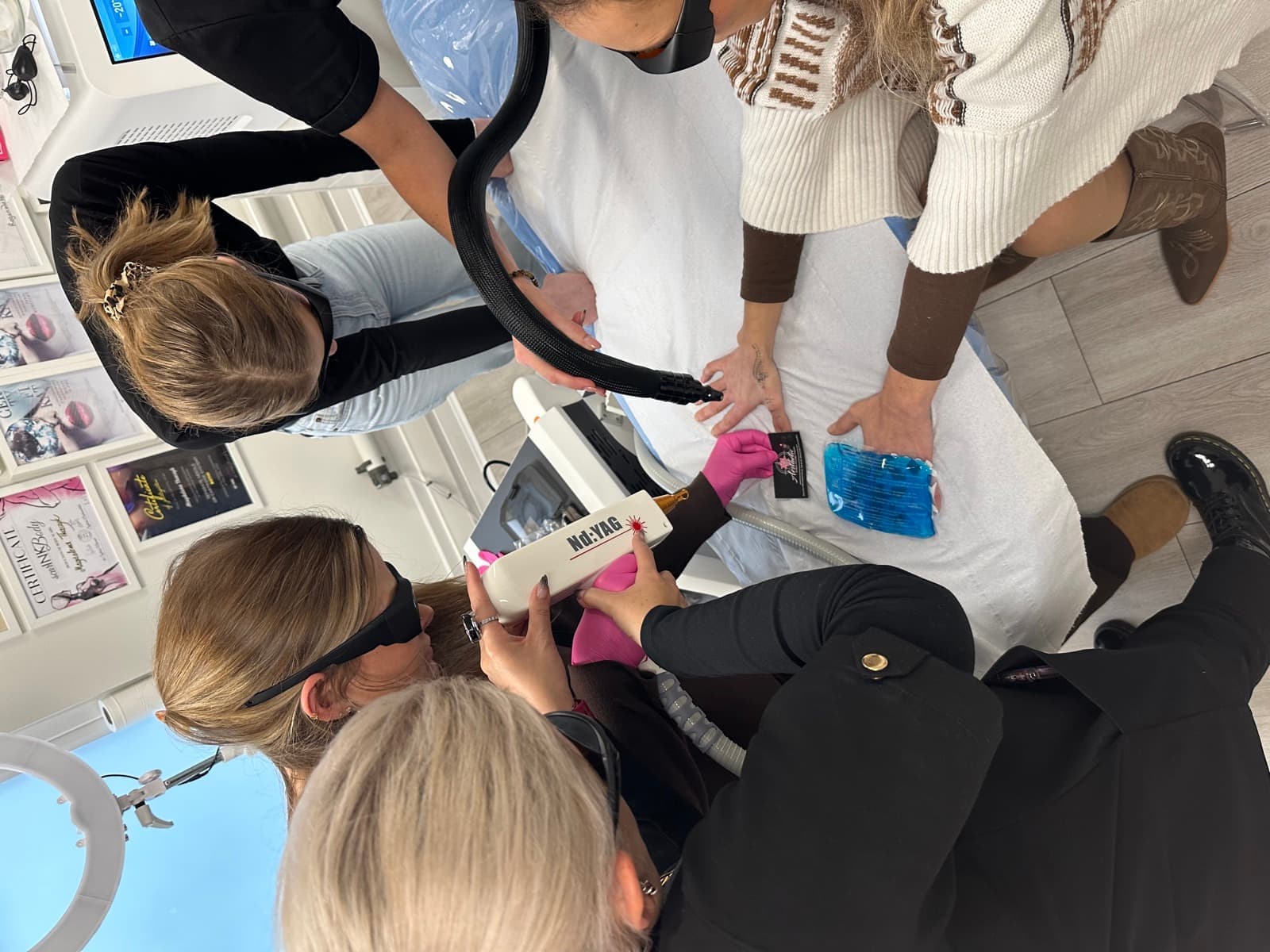
- Eye shields for the client and protective glasses for the person performing the treatment.
- Passing the laser beam over the whole area — the paste is vaporised, accompanied by a characteristic crackling sound.
- Removing any remaining paste, soothing the skin and applying sun protection.
Protocols differ in the details — for example the number of passes or the parameters at each stage. The specific protocol should come from the training for the device you work on.
Who is eligible, and when to hold back
A carbon peel is often offered to clients with oily skin, enlarged pores, uneven skin tone or a dull, tired complexion. As with any laser treatment, eligibility requires taking a client history. Many protocols treat the following, among others, as a reason to postpone or forgo the treatment:
- active inflammation, infections and skin damage in the treatment area,
- a fresh tan,
- taking photosensitising medication or products,
- other contraindications specified by the device manufacturer and in the training programme.
The full list of contraindications and the decision on eligibility rest with the specialist, based on the consultation — not with a chart in the price list.
What to expect after the treatment
After a carbon peel the skin may be slightly red and warm; this reaction usually settles quickly, but how strong it is and how long it lasts vary from person to person. The client should receive aftercare instructions from the person performing the treatment, most often covering gentle skincare, avoiding irritating cosmetics for the recommended period, and sun protection.
It is worth telling the client plainly that the results of a carbon peel are judged over a series rather than a single visit, and that they depend on the condition of the skin and on daily skincare. Setting expectations this way reduces the risk of disappointment and means the client comes back for further treatments with the right mindset. It is also good practice to take photos before the first treatment and after the series, in the same lighting.
Which laser to use for a carbon peel
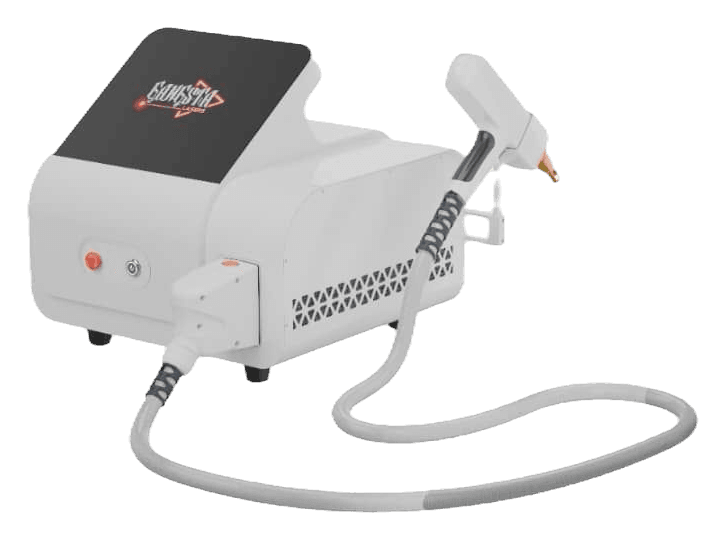
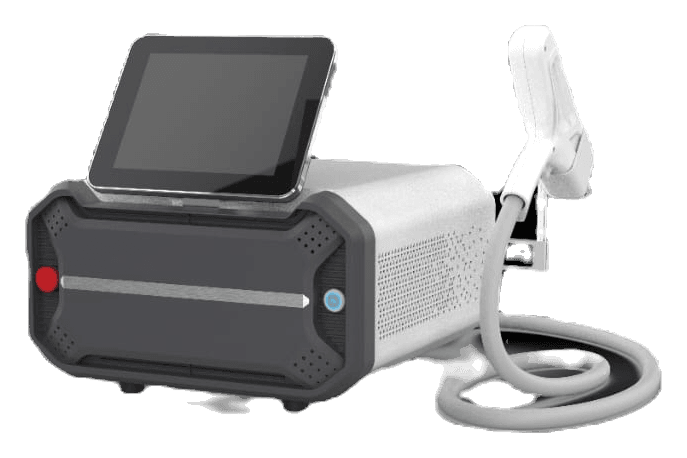
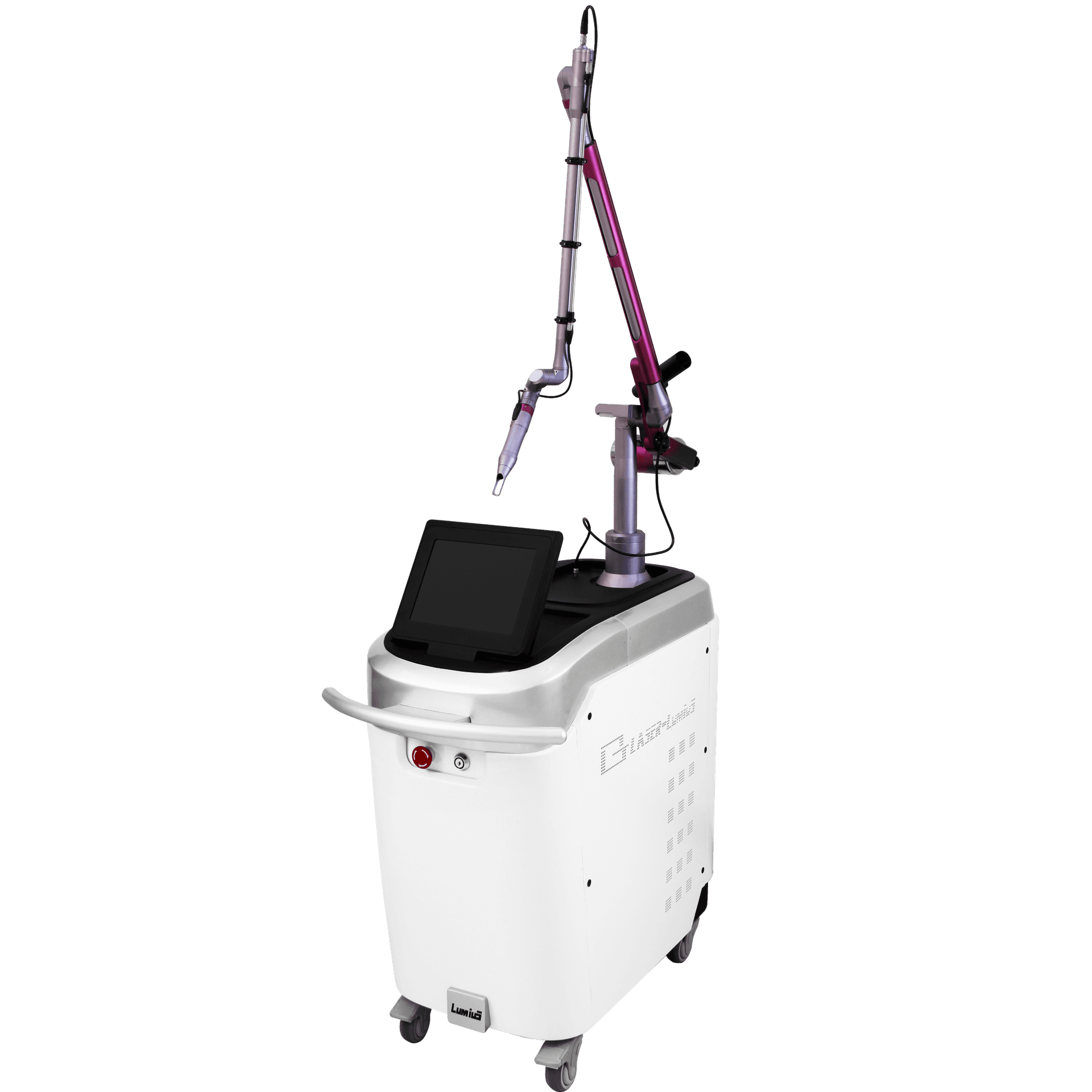
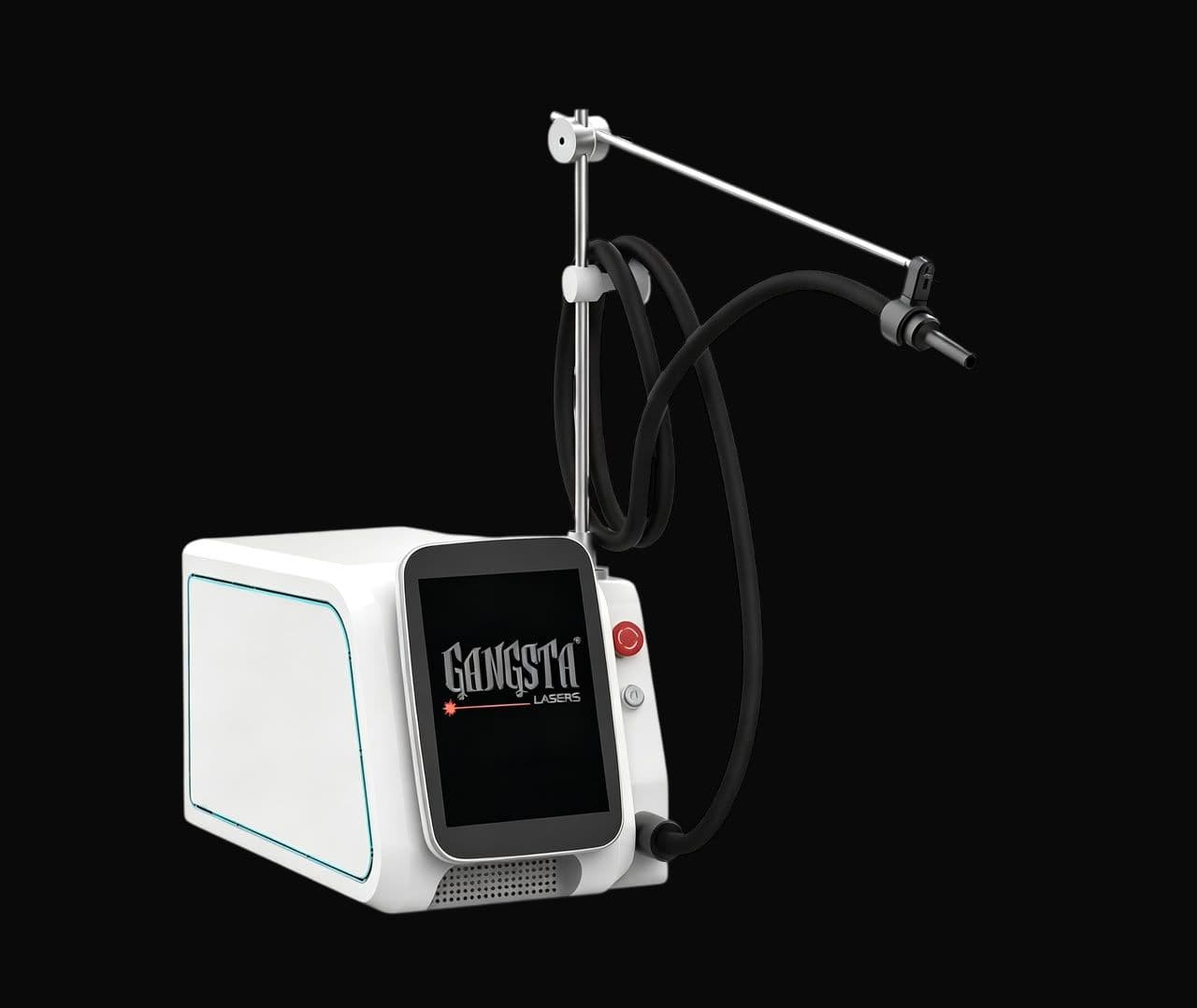
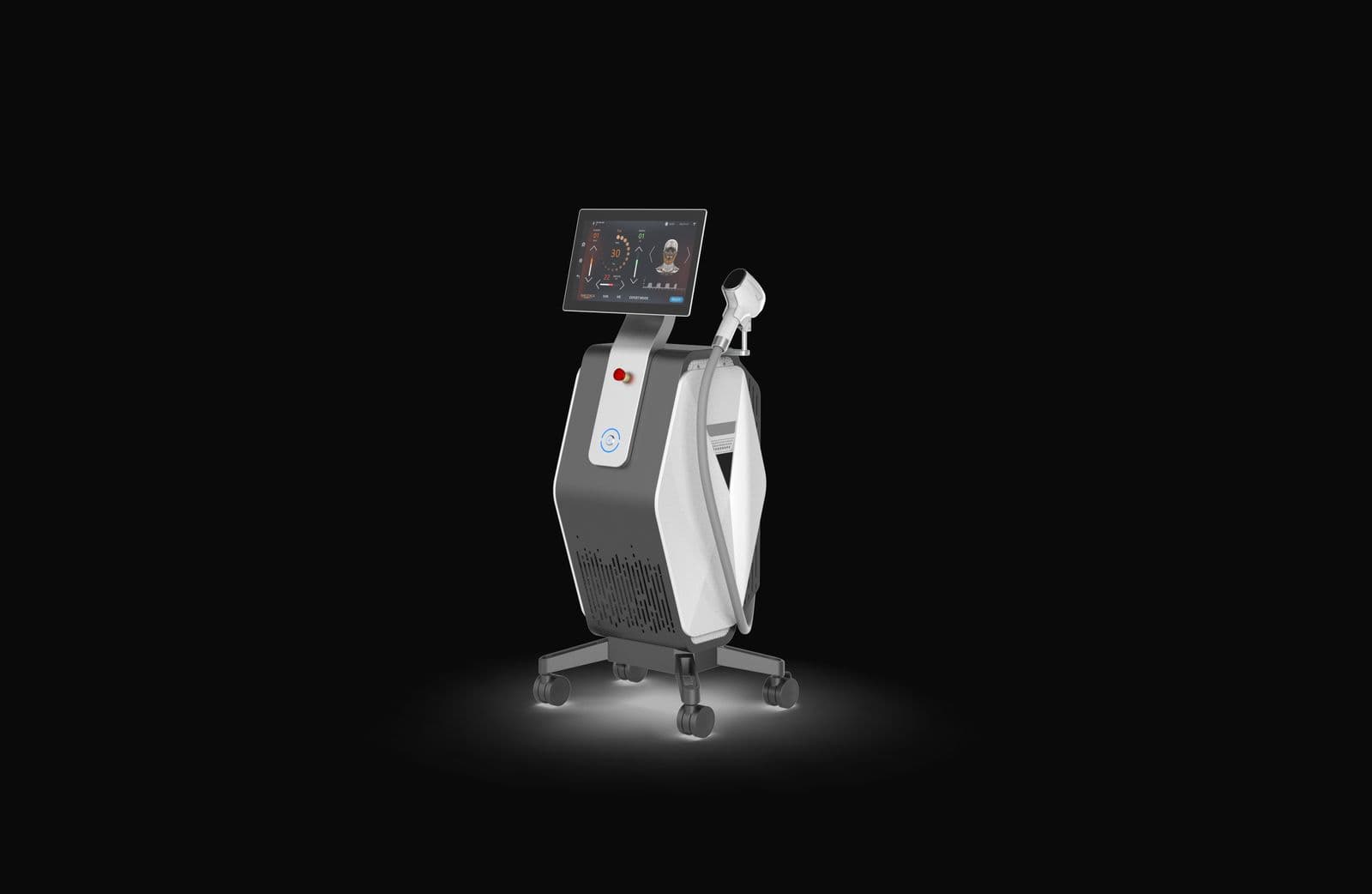
Carbon peels are performed with Nd:YAG lasers, both nanosecond (Q-Switch) and picosecond. In the Gangsta Lasers range, the carbon peel is one of the applications of the compact nanosecond lasers Gangsta Nano Basic and Gangsta Double Rods and of the picosecond lasers Gangsta Pico and Gangsta Pico 2Rods, and the two-day training included in the price of the device covers carbon peel techniques alongside permanent make-up and tattoo removal. On the Nano Basic, fluence evenly distributed across the spot means the beam acts evenly on the skin.
The carbon peel on a clinic’s menu
For a clinic that buys a laser mainly for pigment removal, a carbon peel has two advantages. First, it makes better use of the device on days when the removal diary is not full. Second, it is the treatment through which many clients first get to know lasers — and trust built on a simpler treatment pays off in the ones that follow. It should be communicated honestly, though: as a skincare treatment usually done as a series, with no promise of results after one visit.
Frequently asked questions
What does a carbon peel involve?
A thin layer of carbon paste is applied to the skin, where it settles into the pores and uneven texture. An Nd:YAG laser beam then vaporises the paste together with the impurities, and the accompanying heat acts on the superficial layers of the skin.
Does a carbon peel hurt?
Most people describe the sensation as warmth or a slight tingling, but it varies from person to person and depends on the parameters and on how sensitive the skin is. The details are discussed with the client at the consultation.
Do I need a separate laser for a carbon peel?
Not necessarily. A carbon peel is performed with an Nd:YAG laser, so many nanosecond and picosecond pigment removal lasers can be used for it. It is worth checking whether the training for the device includes a carbon peel protocol.
How many carbon peel treatments are done in a series?
A carbon peel is usually performed in a series, and the number of treatments and the intervals between them are chosen by a specialist according to the condition of the skin and the client’s expectations.