Clinic and business · Training · Tattoo removal
How to build a tattoo removal service in your salon — training, equipment and marketing
Tattoo and permanent make-up removal can become a lasting pillar of what a salon, tattoo studio or clinic offers — provided you start with knowledge rather than with buying a laser. Here is how to approach it step by step.
By Gangsta Lasers4 min read
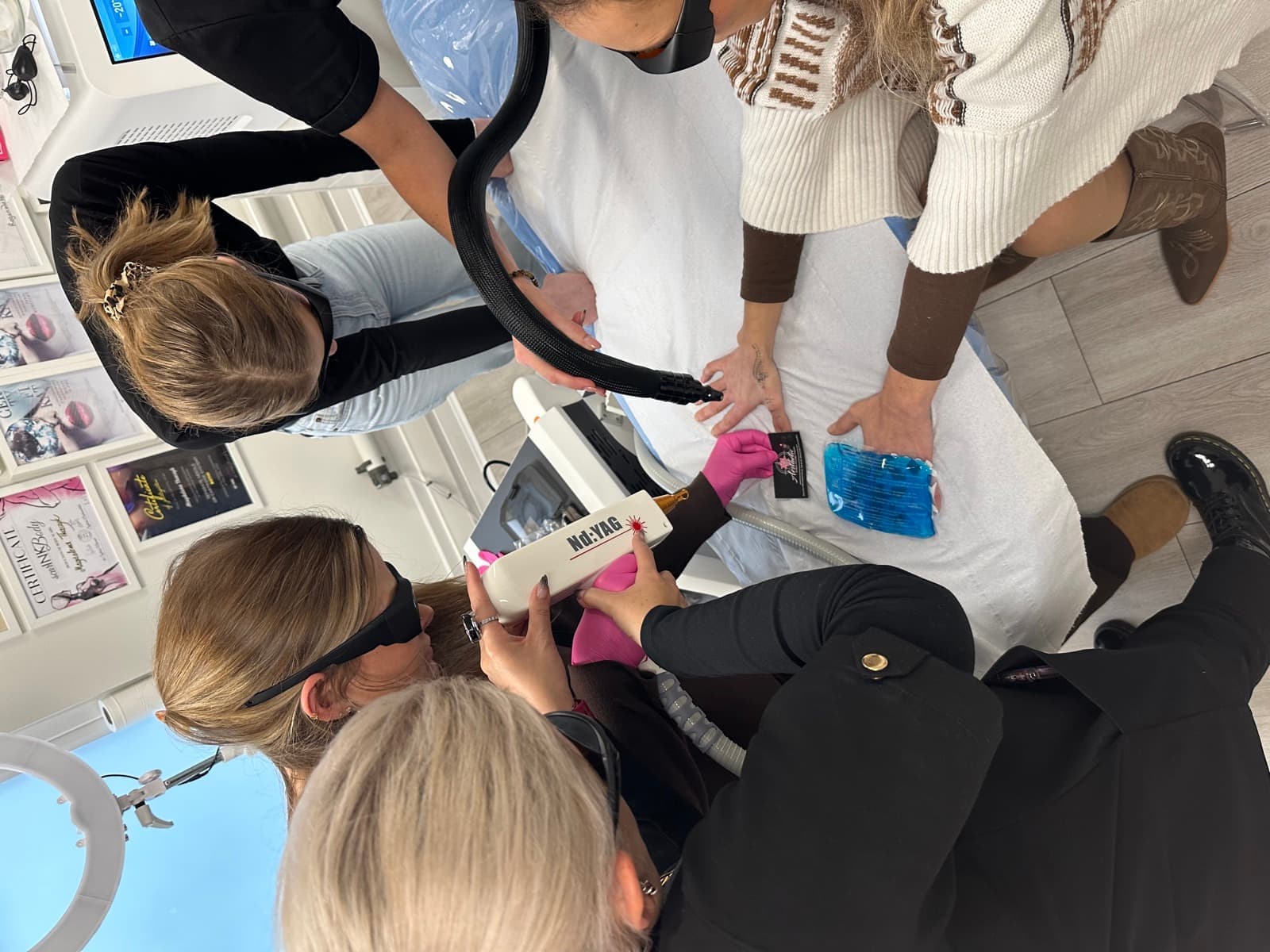
More and more beauty salons, tattoo studios and aesthetic medicine clinics are thinking about introducing laser tattoo and permanent make-up removal. It is a service that requires knowledge, good equipment and patience — from both the client and the clinic. Below we describe how to prepare for launching it, in an order that saves both money and stress.
Is this service right for your clinic
Before you start comparing devices, answer a few questions. Who will perform the treatments, and do they have time to learn? Do you have a room where a laser can be used safely? Where will clients come from — your existing client base, partner tattoo artists, the internet? Pigment removal is a series of treatments spread over many months, so it is a service that builds a long relationship with the client rather than a quick sale.
Step one: training
A laser does not remove anything — it breaks up the pigment, and the body does the rest. To do this safely, you need to understand how the beam acts on skin and ink. Good training covers at least:
- the basics of laser physics: wavelength, pulse duration, energy, fluence and spot size,
- skin structure, assessing the phototype and the current condition of the skin,
- types of pigment and how they react to different wavelengths,
- eligibility for treatment, contraindications and testing,
- working safely with a laser, including eye protection,
- documentation, consents and aftercare instructions,
- recognising unwanted reactions and what to do in case of complications,
- practice on models under a trainer’s supervision.
Check who runs the training and what experience they have in pigment removal. When you buy a Gangsta Lasers laser, training in safe operation is part of the purchase, and those who want to deepen their knowledge can take the Laser Removal Expert programme at our Academy.
Step two: equipment and the treatment room
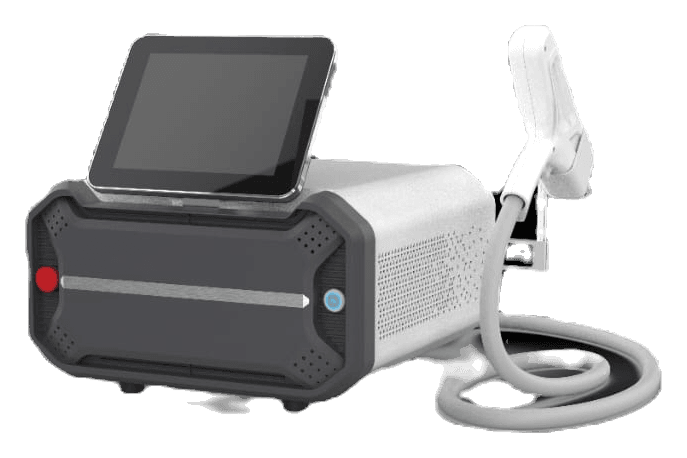
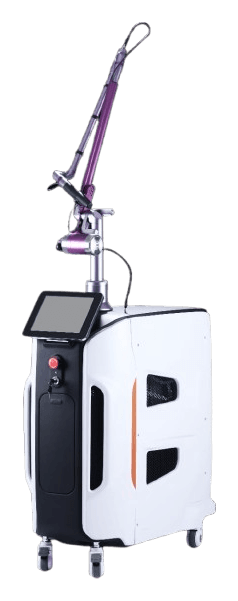
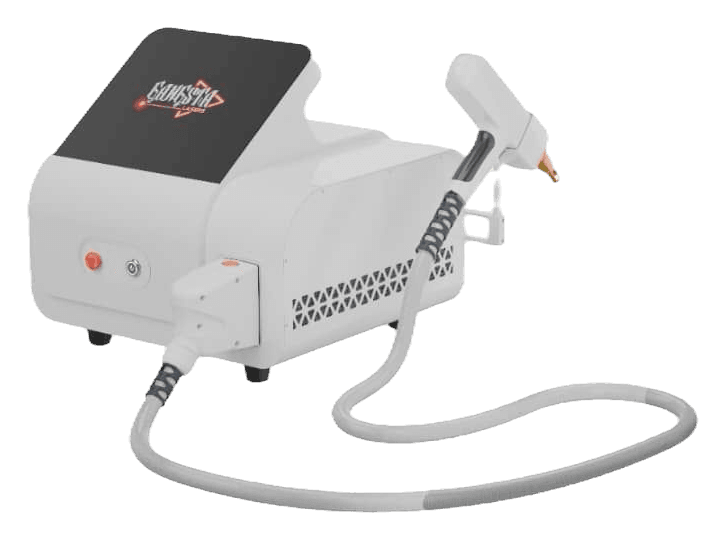
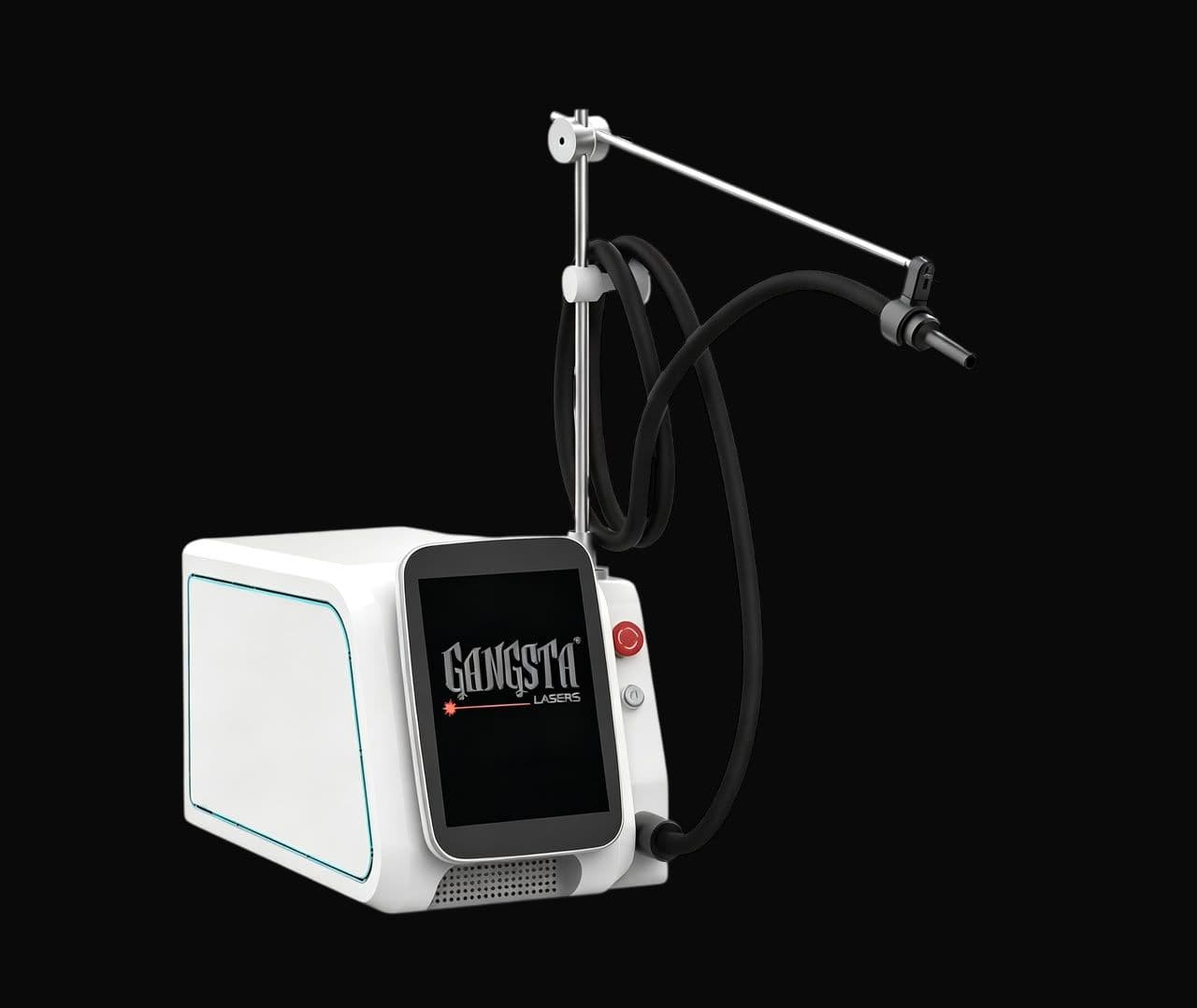
You choose the laser to match the pigments you will work with. A clinic starting mainly with permanent make-up has different needs from a tattoo studio lightening dark work for cover-ups, or a clinic that wants to remove coloured tattoos. Then there is the equipment that is easy to forget:
- protective glasses matched to the device’s wavelengths — for the operator, the client and anyone else in the room,
- a skin cooling system,
- a set-up for consistent, repeatable photo documentation,
- templates for consultation cards, consents and aftercare instructions.
Before buying, ask for a live demonstration and about the warranty and servicing. A laser that is in for repair in the middle of a treatment series means rescheduled appointments for every client.
Step three: pricing and the conversation with the client
The number of sessions depends on the colour, depth and amount of pigment, the condition of the skin and previous removal attempts, so it cannot honestly be promised at the first visit. Instead of a price per single treatment, many clinics give the client an expected range for the number of sessions and the cost of the whole series, explaining what the upper end depends on. It is a harder conversation at the start, but there are far fewer disappointments along the way.
Workflow and scheduling
Tattoo removal has a different rhythm from most salon services. Weeks usually pass between sessions, so the calendar fills up gradually, and one client keeps coming back to the clinic for many months. It is worth planning from the start how you will remind clients of their next appointments, how you will keep photo documentation of the whole series and who answers clients’ questions between visits.
- Set aside time for consultations — the first visit is a conversation, an assessment of the pigment and skin, and often a test as well.
- Plan the next session only after assessing the healing, not automatically at the till.
- Keep one card for the whole series, with the parameters and photos from every visit.
- Agree on what you do when a client reports a worrying reaction after a treatment.
Step four: marketing
- Educate — explain how the laser works, why treatments are done in a series and what healing looks like. Clients are afraid of what they do not understand.
- Show the process and the results — before and after photos and the stages of a series, always with the client’s written consent and without promising the same result to others.
- Collect reviews — asking for a review after a completed series is the simplest way to build trust.
- Work with tattoo artists and PMU artists — lightening for cover-ups and permanent make-up corrections are a natural source of clients.
- Take care of local visibility — an up-to-date business profile in search and maps, and a page describing the service.
Still, the best advertisement for this service is a safely performed series and a client who knew from the start what to expect. If you are planning to add tattoo removal to your offer, talk to us about training and choosing a device.
Frequently asked questions
Is training needed for laser tattoo removal?
Yes. Safe pigment removal requires knowledge of how the beam acts on skin and ink, client eligibility, contraindications, working safely with a laser and aftercare. Training should also include practice on models.
Which laser should I start with for tattoo removal?
It depends on the pigments you will work with. Clinics focused on permanent make-up often start with a nanosecond laser, while those working with coloured tattoos consider picosecond technology. It is worth discussing this with the supplier and testing the device before buying.
How should tattoo removal be priced?
Many clinics give an expected range for the number of sessions and the cost of the whole series instead of a price per single treatment. It is worth explaining to the client what the number of sessions depends on.
Can I publish before and after photos?
Only with the client’s consent, preferably in writing, specifying where the photos will be used. When publishing results, do not promise the same result to others.
Will tattoo removal work in a tattoo studio?
Many tattoo studios offer lightening of old work for cover-ups and tattoo removal. This requires training in laser work and proper preparation of the treatment room.