
Safety · Pigmentation
Skin phototype and laser treatments — the Fitzpatrick scale in clinic practice
The Fitzpatrick scale is on every consultation form, but it is rarely well understood. We explain what a phototype really tells you, why it matters with a laser and why it is not enough to select parameters.
By Gangsta Lasers4 min read
Everyone who works with a laser knows the Fitzpatrick scale. Six phototypes, from very fair skin that always burns to very dark skin that practically never burns. The problem is that in many clinics the phototype is written on the client card as a formality, and the parameters are then chosen from the manufacturer’s table. Yet how you understand the phototype has a direct effect on the safety of the treatment.
What the Fitzpatrick scale is
The Fitzpatrick scale describes how skin reacts to UV radiation: whether it burns, whether it tans and to what degree. It covers six phototypes:
- Phototype I — very fair skin, always burns, does not tan.
- Phototype II — fair skin, burns easily, tans poorly.
- Phototype III — fair to medium skin, sometimes burns, tans gradually.
- Phototype IV — medium-dark skin, rarely burns, tans easily.
- Phototype V — dark skin, very rarely burns.
- Phototype VI — very dark skin, practically never burns.
It is a classification of the reaction to the sun, not a measurement of the amount of melanin in a particular person’s skin in a particular week. And that difference is where most of the pitfalls lie.
Why melanin matters with a laser
A laser acts selectively: a beam of a given wavelength is absorbed by a specific chromophore — tattoo pigment, melanin in a pigmented lesion, haemoglobin in a vessel. Melanin in the epidermis, however, absorbs part of the energy regardless of the target of the treatment. The more melanin there is in the skin, the more energy is “held up” on the way and the greater the risk of an unwanted thermal reaction.
That is why, with darker phototypes and tanned skin, the choice of wavelength and a cautious choice of energy are especially important. Longer wavelengths, such as 1064 nm, are absorbed less by epidermal melanin than shorter ones, which affects the choice of parameters. The decision whether and how to treat a particular person is made by a trained specialist after a consultation.
Possible complications to keep in mind
- Post-inflammatory hyperpigmentation — darker patches at the treatment site, more often described in people with darker skin.
- Hypopigmentation — lighter areas resulting from damage to the melanin-producing cells.
- Burns and blisters — when more energy reaches the skin than it can safely absorb.
- Scars — most often as a consequence of burns or abnormal healing.
These risks do not mean that laser treatments are not performed on people with darker skin. They mean that skin assessment, testing and parameter selection require more knowledge and experience.
Why the phototype on the card is not enough
Someone with phototype II just back from a sunny holiday has more melanin in their skin today than usual. Someone with phototype IV after the winter — the reverse. The same entry on the card, two different situations at the laser. That is why the phototype is a starting point, not a decision. At the consultation it is also worth checking:
- the current tan and when the skin was last exposed to the sun or a sunbed,
- photosensitising medication, supplements and cosmetics,
- previous treatments in the area and how they went,
- a tendency towards discolouration, scarring and keloids,
- the client’s plans for the coming weeks, especially trips to the sun.
Many clinics also carry out a test on a small area and assess the skin’s reaction before the full treatment. If any answer raises doubts, it is safer to postpone the appointment than to risk a complication.
How to document the skin assessment
A skin assessment only makes sense if it stays in the records and can be revisited at the next appointment. On the consultation card it is worth recording not only the phototype but also the date of the last sun exposure, medication taken, the test result, the parameters used and the skin’s reaction after the treatment. Photos taken in consistent lighting make it possible to compare the skin between sessions and to notice worrying changes sooner.
Documentation also protects the clinic: it shows that the decision to treat was well considered and that the client was informed of the risks. At every subsequent session it is worth asking again about tanning, new medication and how the skin healed after the previous treatment — answers from a few weeks ago may no longer be current. It is a few minutes of conversation that often decides whether a series goes smoothly.
Phototype and the choice of device
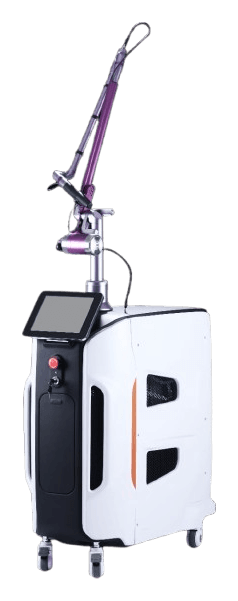
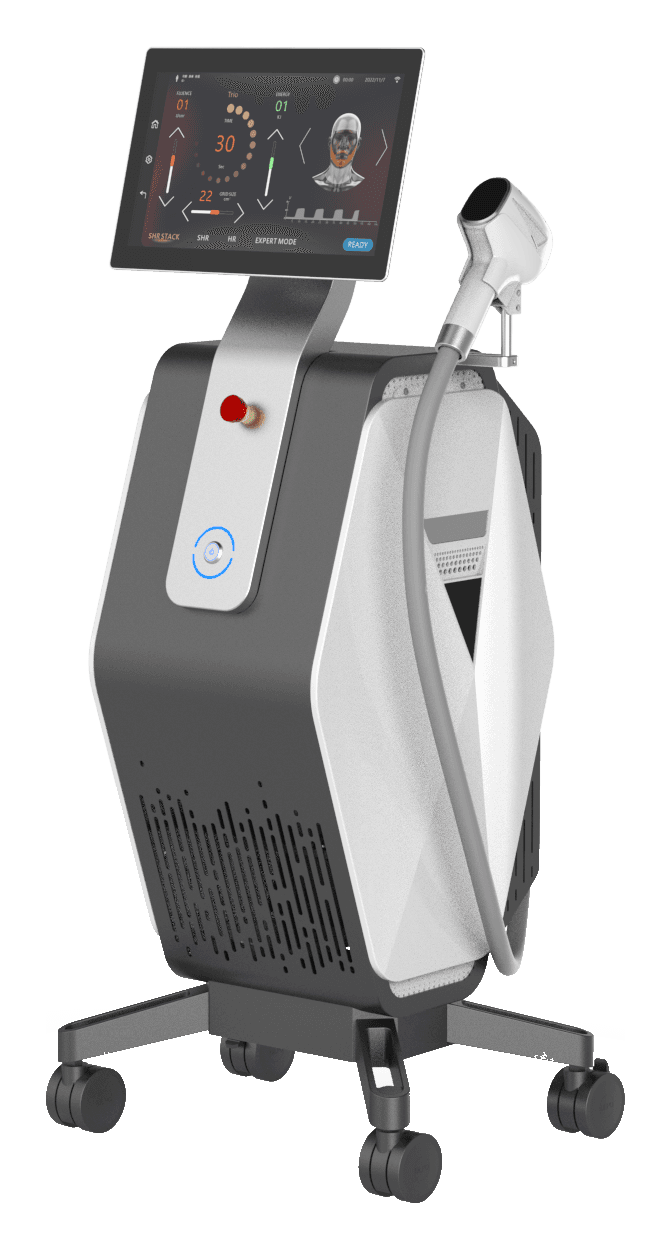
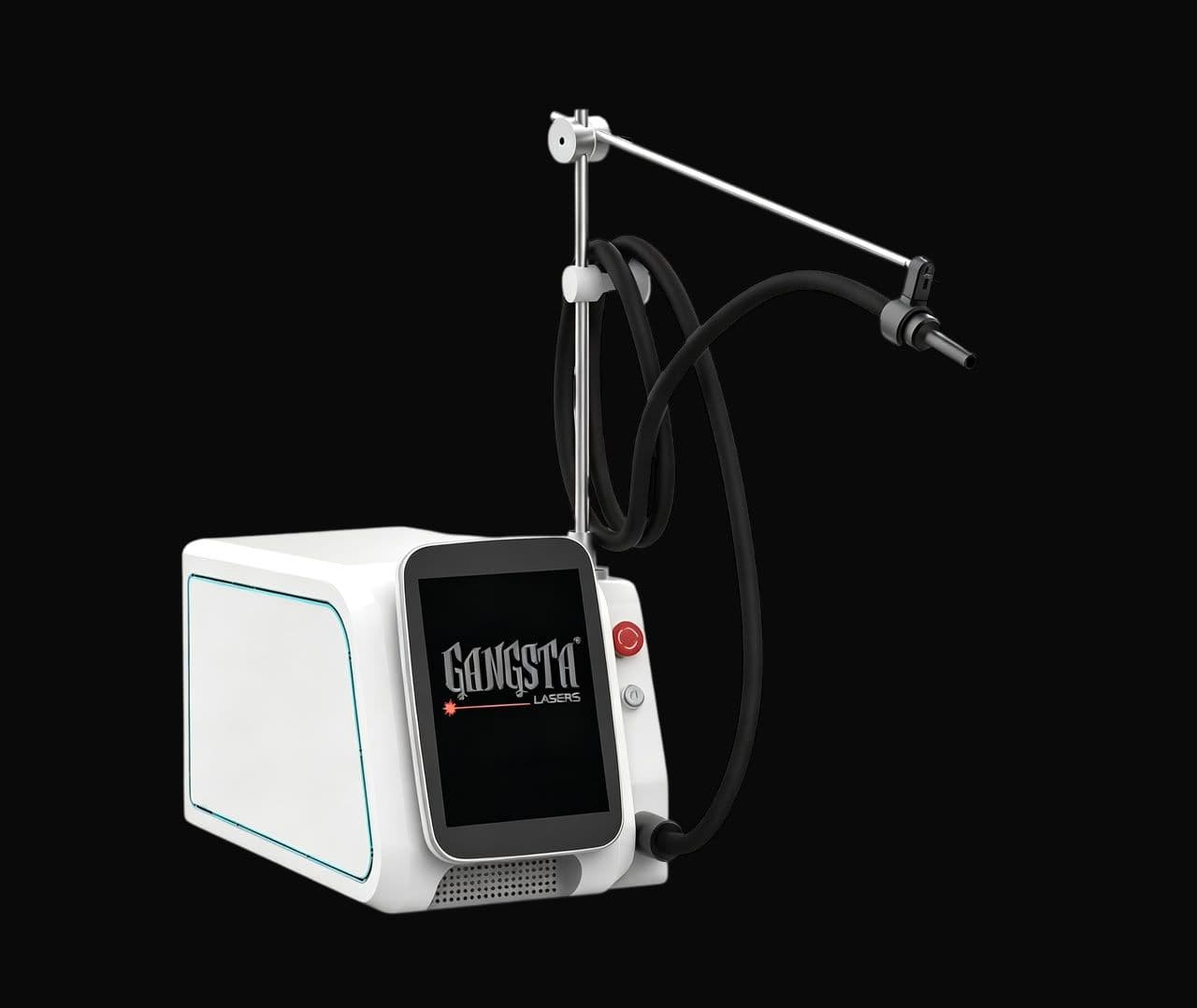
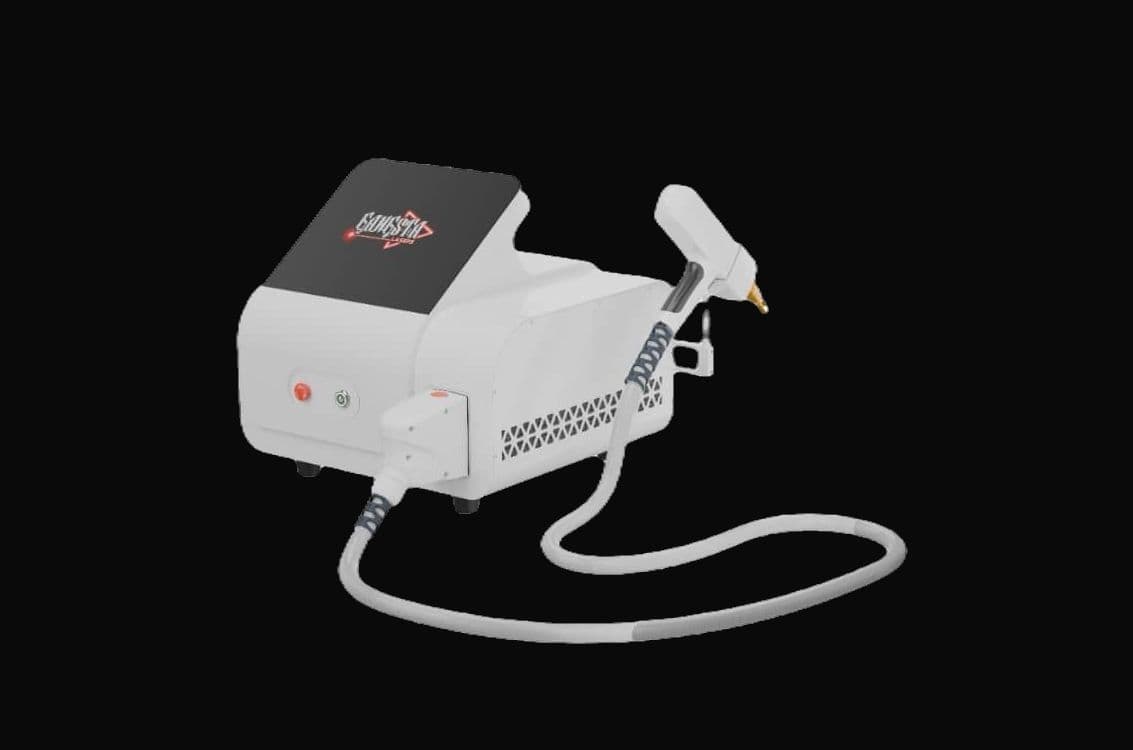
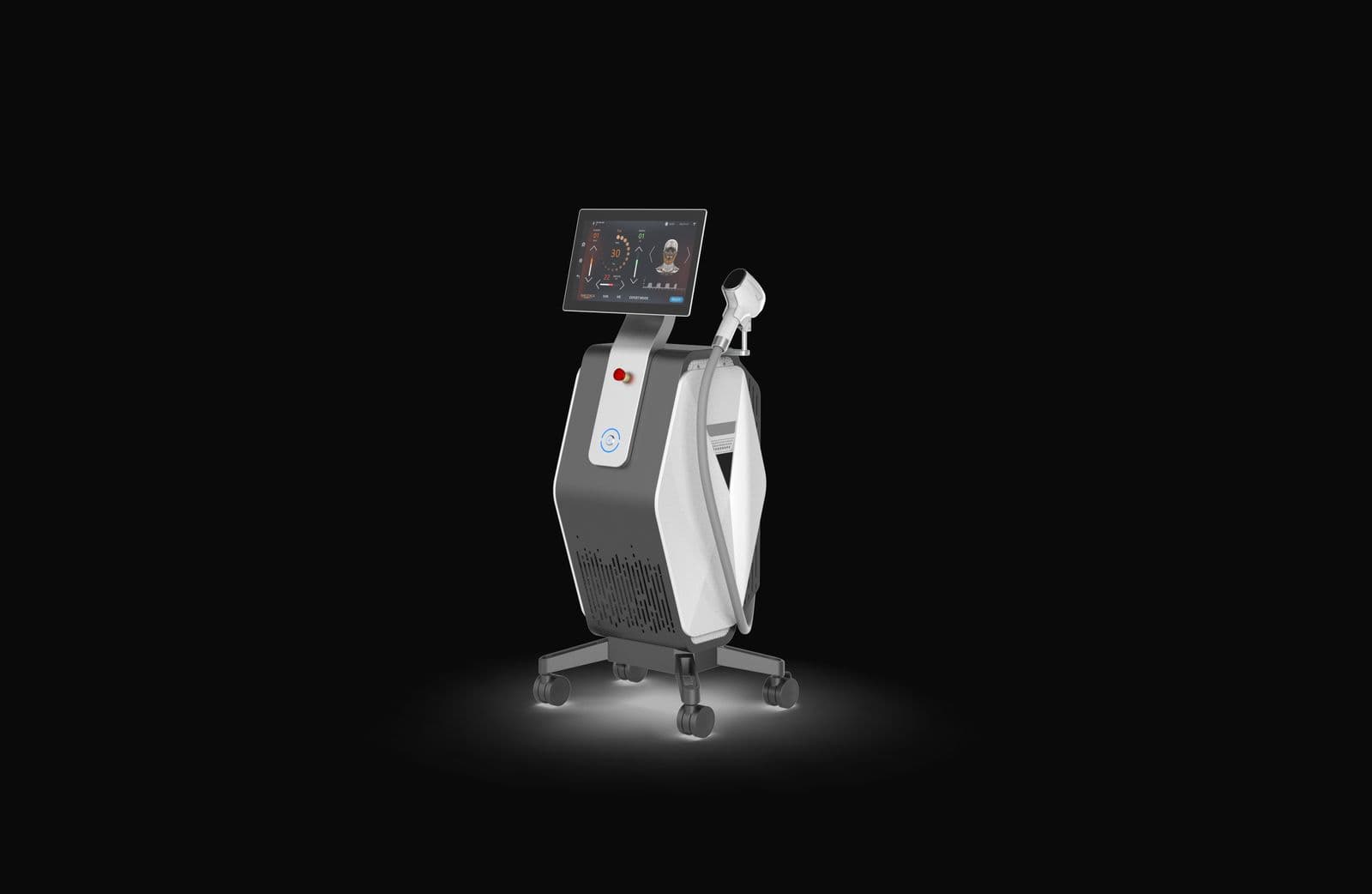
When choosing a laser, it is worth asking the supplier how the device performs across different phototypes and which wavelengths it offers. For example, the Gangsta Pico 2Rods is designed for treatments on all Fitzpatrick skin types, and the Gangsta SHR diode laser, with its 808 nm wavelength, allows hair removal on dark skin as well. A manufacturer’s statement alone does not replace the operator’s knowledge, however: the operator is responsible for assessing the skin and selecting the parameters.
Frequently asked questions
What is the Fitzpatrick scale?
It is a classification of six skin phototypes according to their reaction to UV radiation — from very fair skin that always burns to very dark skin that practically never burns. In laser clinics it is used as a starting point for assessing the skin.
Can laser treatments be performed on people with dark skin?
Yes, but they require particular caution: the right wavelength, careful energy selection and often a test before the full treatment. The decision is made by a trained specialist after a consultation.
Why does a tan matter before a laser treatment?
Tanned skin contains more melanin, which absorbs part of the laser energy. This increases the risk of an unwanted reaction such as discolouration or burns. That is why the current tan is one of the questions at the consultation, regardless of the phototype written on the card.
Is the phototype enough to select laser parameters?
No. The phototype is a starting point, but parameters are also chosen on the basis of the current condition of the skin, tanning, medication, treatment history and the type of pigment or lesion you are working with.